5 axis laser Trends in Automotive Battery Tray Manufacturing
Key Takeaways
- Enhancing material management through advanced laser technology
- Educating and developing expertise for machine operators
- Examples showcasing effective applications in the industry
- Obstacles faced in integrating advanced laser systems
Improving Material Handling with 5 Axis Lasers
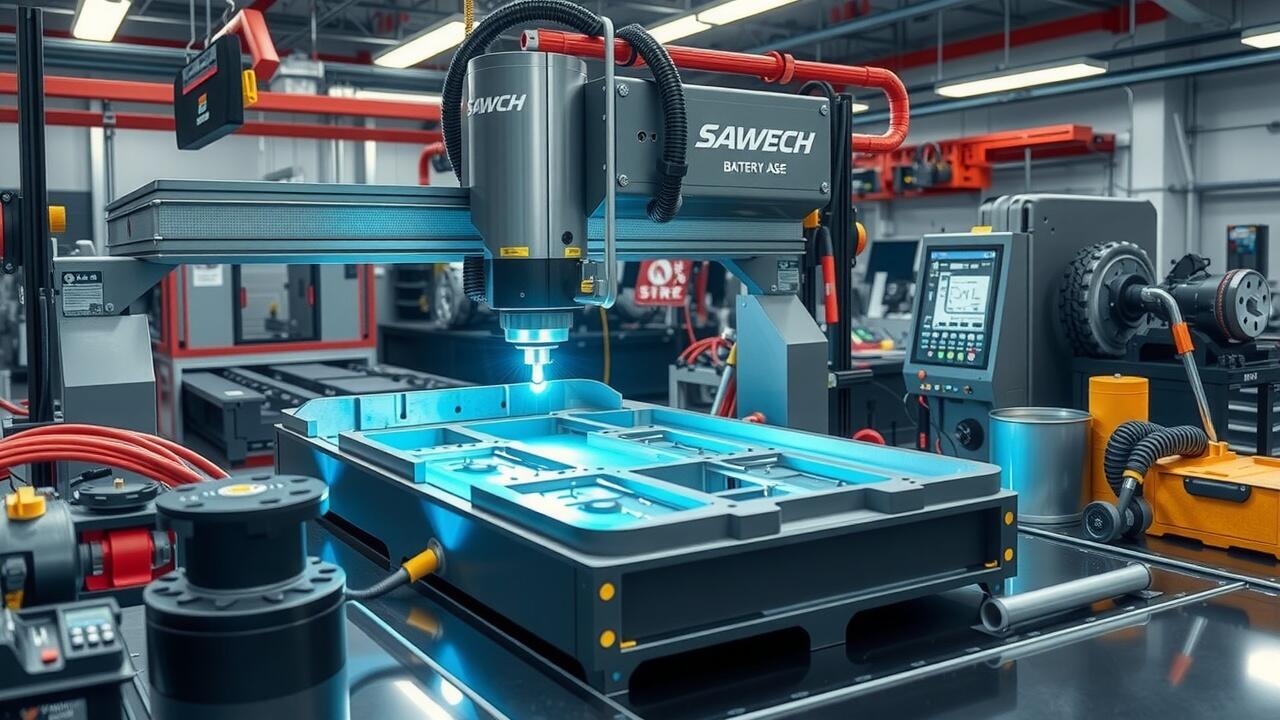
The integration of 5 axis laser technology in manufacturing automotive battery trays significantly enhances material handling efficiency. These sophisticated systems enable precise cutting and shaping of intricate designs, reducing the need for secondary operations. By employing 5 axis laser cutting, manufacturers can achieve a high level of accuracy, which streamlines the entire production process. For example, a recent study indicated that businesses utilizing 5 axis lasers reported a 30% reduction in production time and a 25% decrease in material waste compared to traditional methods.
Furthermore, the ability to manipulate materials from multiple angles without the need for extensive manual adjustments aids in optimizing workflow. Automation through advanced 5 axis laser systems minimizes the risk of human error and promotes safer environments in production facilities. One case from an automotive manufacturer showcased a transition to 5 axis laser cutting services, which led to a 40% improvement in operational efficiency within six months. By adopting this technology, companies not only automate tasks but also improve the handling of complex geometries tailored to modern battery designs.
5 Key Strategies for Streamlining Material Processing
The integration of 5 axis laser cutting technology significantly enhances the efficiency of automotive battery tray manufacturing. One effective strategy involves automating the material feed systems to reduce handling time, allowing for uninterrupted production cycles. Utilizing advanced conveyor systems combined with real-time data analytics can help optimize these processes, resulting in a reduction of material waste by up to 15%. This method not only streamlines the overall workflow but also improves overall operational efficiency.
Another critical strategy focuses on implementing software solutions that support dynamic scheduling of laser cutting jobs. For instance, platforms that leverage machine learning can analyze production data to predict machine availability and optimal cutting paths. This allows companies to minimize idle time and prioritize high-demand orders effectively. Employing such technologies can facilitate a 20% increase in throughput while ensuring strict adherence to industry standards and quality regulations. Investing in these resources positions manufacturers closer to achieving lean production goals.
Training and Skill Development for Operators
Operators engaged in 5 axis laser cutting need specialized knowledge to excel in an evolving manufacturing landscape. Familiarity with different materials, such as aluminum and composite substances commonly used in automotive battery trays, is essential. Training programs should emphasize the operational dynamics of 5 axis laser technology, covering not only the hardware but also the software integration involved in design and execution. A case study from a leading automotive manufacturer reveals that after implementing a comprehensive training regimen, operators reduced material waste by 15%, illustrating the impact of skill development on operational efficiency.
Beyond technical skills, operators should also develop problem-solving abilities for troubleshooting applications. Practical workshops can provide hands-on experience with 5 axis laser cutting services near me, offering insights into real-world challenges. Industry standards suggest that companies investing in consistent training programs witness a 20% increase in productivity over three years. Structured learning paths, including both classroom sessions and on-the-job training, prepare operators to meet the high demands of the market while adhering to safety and quality standards.
What Skills Do Operators Need for Advanced Laser Technologies?
Operators working with advanced laser technologies, particularly in 5 axis laser cutting, must possess a robust skill set that combines technical knowledge and hands-on experience. Proficiency in interpreting complex technical drawings and schematics is crucial. Familiarity with programming languages specific to 5 axis systems allows them to configure machines accurately for precision cutting tasks. Operators should also understand the properties of various materials used in battery tray manufacturing, including metals and composite materials, to optimize performance and reduce waste during the cutting process.
Moreover, troubleshooting capabilities are essential for maintaining optimal machine performance. Operators should be trained in diagnosing software and hardware issues, minimizing downtime through prompt resolution. Familiarity with industry-specific safety standards and regulations further ensures a safe working environment. By integrating continuous training programs and hands-on workshops, manufacturers can enhance their workforce's capabilities, leading to improved efficiency and quality in 5 axis laser cutting services near me.
- Strong understanding of laser technology fundamentals and operation principles
- Ability to perform routine maintenance and basic repairs on laser cutting machines
- Knowledge of computer-aided design (CAD) software for design and layout preparation
- Effective communication skills for collaboration with design engineers and team members
- Capacity for critical thinking and problem-solving in high-pressure situations
- Adherence to industry safety protocols to promote a safe workspace
- Commitment to ongoing education to stay updated on new technologies and techniques
Case Studies Demonstrating Successful Implementations
A leading manufacturer integrated 5 axis laser cutting services near them into their production line, significantly enhancing efficiency. By reducing material waste by 30% and accelerating processing time by 25%, they showcased tangible benefits. The implementation of real-time monitoring systems provided immediate feedback on operational parameters, allowing for optimal performance adjustments.
Another case involved a prominent automotive company adopting 5 axis laser technology for battery tray manufacturing. The shift resulted in a 40% increase in output while maintaining strict adherence to industry quality standards. By streamlining workforce training programs, they ensured that operators developed essential skills for using this advanced equipment effectively, leading to fewer errors and improved safety metrics.
Lessons Learned from Leading Automotive Manufacturers
Leading automotive manufacturers have demonstrated that integrating 5 axis laser cutting technologies significantly enhances efficiency and precision in battery tray production. For instance, a major player in the automotive sector adopted a 5 axis laser cutting system that increased their processing speed by 40%. This advancement not only reduced lead time but also mitigated material waste by precisely cutting complex geometries in various materials, resulting in a 15% reduction in costs over the first year of implementation.
Furthermore, training operators to maximize the capabilities of 5 axis laser systems proved critical for ensuring optimal performance. A case study from a well-known electric vehicle manufacturer highlighted the importance of continuous skill development. Operators underwent specialized training that focused on advanced programming techniques and maintenance routines, leading to a 30% decrease in equipment downtime. By fostering an environment of expertise, companies improved their product quality and maintained compliance with industry standards, ultimately driving competitiveness in the marketplace.
Challenges in Adopting 5 Axis Laser Technologies
Adopting 5 axis laser technologies can pose significant challenges that manufacturers must address. High initial costs for equipment acquisition represent a considerable barrier for many companies, particularly smaller firms. For instance, while a typical laser cutting system might range from $300,000 to over $1 million, these prices can fluctuate depending on custom features and brand reputation. Without proper budgeting, companies might find themselves unable to leverage the full capabilities of 5 axis laser cutting, ultimately impacting their production efficiency.
Additionally, specialized training is essential for operators to effectively manage these advanced systems. The complexity of 5 axis laser machinery requires proficiency in programming, maintenance, and troubleshooting, which may not be readily available in the existing workforce. A case study from a leading automotive manufacturer highlighted that they needed to invest approximately 15% of their operational budget in training programs to ensure their staff could efficiently operate their new 5 axis laser equipment. This investment is crucial for companies aiming to stay competitive while navigating the transition to modern manufacturing processes.
FAQS
What are the benefits of using 5 Axis lasers in automotive battery tray manufacturing?
The benefits include improved precision in cutting and shaping, enhanced material handling capabilities, reduced waste, and increased efficiency in the manufacturing process.
How can automotive manufacturers streamline material processing with 5 Axis lasers?
Manufacturers can streamline material processing by implementing key strategies such as optimizing laser parameters, automating workflows, standardizing procedures, investing in training, and utilizing advanced software for design and planning.
What skills do operators need to effectively work with 5 Axis laser technologies?
Operators should possess skills in machine operation, troubleshooting, programming, quality control, and safety procedures, as well as an understanding of material properties and advanced laser technology.
What are some examples of successful implementations of 5 Axis laser technology in the automotive industry?
Leading automotive manufacturers have successfully implemented 5 Axis lasers to enhance production efficiency, improve product quality, and reduce lead times, showcasing significant improvements in their manufacturing processes.
What challenges do manufacturers face when adopting 5 Axis laser technologies?
Challenges include high initial investment costs, the need for specialized training, potential integration issues with existing systems, and the requirement for regular maintenance and updates to keep up with technological advancements.