A Beginner's Guide to Selecting Oil Storage Containers
Understanding Oil Storage Containers
What Are Oil Storage Containers?
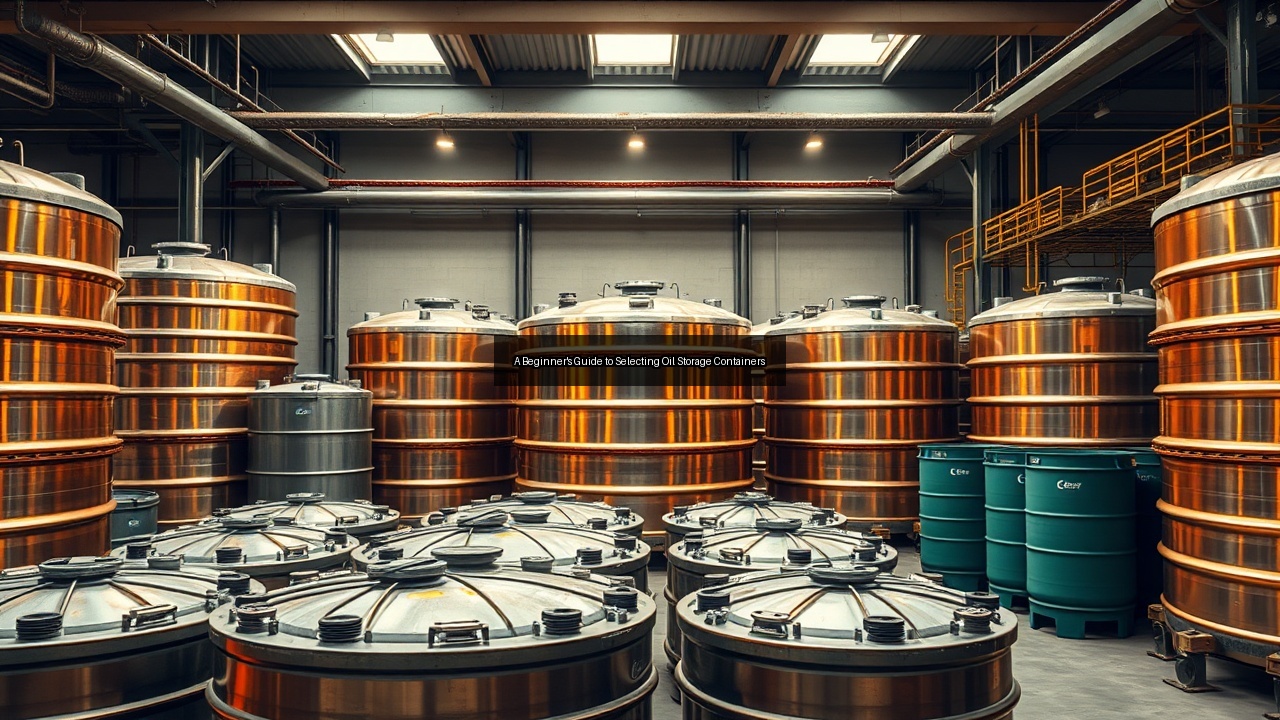
Oil storage containers hold lubricants, fuels, and other petroleum products safely until needed. These containers protect oil from contamination and reduce fire risks during storage. Operators rely on them across industrial sites, workshops, and farms to maintain steady supplies. Proper selection prevents spills that damage soil and water supplies. Many facilities track inventory through labeled tanks that display contents and fill dates. Containers for storing oil come in rigid forms that resist punctures and chemical breakdown. Workers transfer oil from delivery trucks into these units using pumps or gravity lines. Clear markings help crews identify capacity and last inspection dates quickly. Reliable oil storage containers support continuous lubrication schedules without interruptions.
Types of Oil Storage Tanks
Oil storage tanks fall into several categories based on location and design. Above-ground models allow easy visual checks and quick repairs. Underground versions save surface space yet require corrosion monitoring systems. Horizontal tanks fit narrow sites while vertical units maximize volume per footprint. Portable tanks serve temporary job sites where permanent fixtures prove impractical. Double-wall tanks add an extra layer of protection against leaks. Some tanks incorporate heating elements to keep viscous oils flowing in cold climates. Facilities often combine multiple tank types to separate different grades of lubricants. Selection depends on daily throughput and available real estate at each location.
Common Materials Used for Oil Tanks
Steel dominates oil tank construction because it withstands pressure and impact. Carbon steel tanks receive coatings that resist rust from stored oil. Stainless steel versions handle aggressive additives found in certain lubricants. Plastic tanks offer lighter weight and built-in corrosion resistance for smaller volumes. Fiberglass tanks resist chemical attack and suit outdoor exposure without additional painting. Aluminum tanks appear in mobile applications where weight matters most. Material choice affects lifespan and maintenance frequency. Operators match material to the oil type and surrounding environment. High-density polyethylene plastic containers handle many non-flammable lubricants effectively.
Choosing the Right Oil Storage Container
Factors to Consider When Selecting a Tank
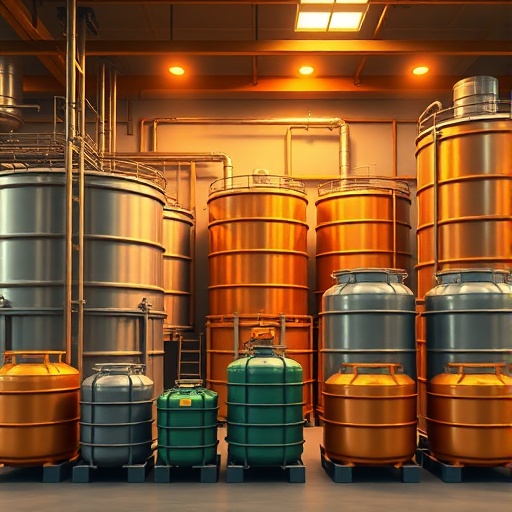
Site conditions drive tank selection more than any other element. Temperature swings, soil type, and proximity to water sources all influence decisions. Operators evaluate expected oil volume and turnover rate before purchase. Budget constraints often limit options between basic steel drums and advanced double-wall systems. Access for delivery trucks and maintenance crews shapes layout around the chosen tank. Local fire codes may require specific venting or containment features. Compatibility between tank material and stored oil prevents degradation over time. Future expansion plans encourage modular designs that accept additional units later. Thorough evaluation avoids costly replacements within the first few years of service.
Understanding Capacity: Gallons, Liters, and Quarts
Capacity measurements guide every purchase of oil storage containers. Most industrial tanks list volume in gallons for American markets. European and Asian suppliers quote liters as the standard unit. Smaller containers often appear in quart sizes for precise top-offs during lubrication tasks. A 55-gallon drum equals roughly 208 liters and serves many workshops. Operators convert between units to compare prices across suppliers accurately. Oversized tanks waste money on unused space while undersized units force frequent refills. Matching capacity to consumption patterns keeps operations efficient. Records of past usage in gallons or liters help forecast future needs reliably.
Different Storage Options: Drums, Plastic Containers, and Cages
Drums remain popular for medium-volume storage of lubricants and hydraulic fluids. Steel drums stack efficiently and accept standard pumps for dispensing. Plastic containers provide affordable options for smaller operations handling less hazardous oils. These units resist dents and require minimal exterior maintenance. Cages enclose drums or intermediate bulk containers to meet secondary containment rules. Stackable plastic containers save floor space in crowded warehouses. Some cages include spill pallets that capture any leaks automatically. Workers move caged units with forklifts without risking punctures. Each option balances cost, durability, and regulatory compliance differently.
Safety and Compliance in Oil Storage
Regulations for Oil Storage Tanks
Federal and state rules set strict standards for oil storage tanks. The EPA requires secondary containment for tanks holding more than 1,320 gallons of oil. Facilities must maintain spill prevention plans that address leak scenarios. Local fire marshals inspect venting, grounding, and distance from buildings. OnePetro databases compile industry standards that help operators interpret these rules. Documentation of tank construction and inspections satisfies most audits. Noncompliance leads to fines and forced shutdowns. Regular training ensures staff understand current requirements. Updated regulations often reflect lessons from past incidents at storage sites.
Best Practices for Safe Oil Storage
Operators label every tank with contents, hazards, and emergency contacts. They install grounding straps on metal tanks to prevent static sparks during transfers. Bunded areas around storage tanks contain leaks before they reach soil or water. Scheduled checks verify that vents remain clear and valves operate smoothly. Staff wear appropriate personal protective equipment during any handling of oil. Separation of incompatible lubricants prevents chemical reactions inside shared facilities. Clear aisles around tanks allow emergency responders quick access. Written procedures guide every filling and dispensing operation. These habits reduce incidents across facilities of all sizes.
Preventing Leaks and Contamination
Daily visual inspections catch small drips before they grow. Overfill protection devices shut off flow automatically when tanks reach capacity. Desiccant breathers on vents block moisture that leads to rust inside steel tanks. Dedicated transfer hoses reduce cross-contamination between different oil grades. Plastic container liners add protection when storing sensitive lubricants. Regular sampling detects water or particulates early. Operators keep spill kits stocked near every storage area. Sealed connections on gravity feed lines limit drips during normal use. Consistent records track any maintenance that addresses leak risks.
Maintenance and Care for Oil Storage Containers
Regular Inspection and Maintenance Tips
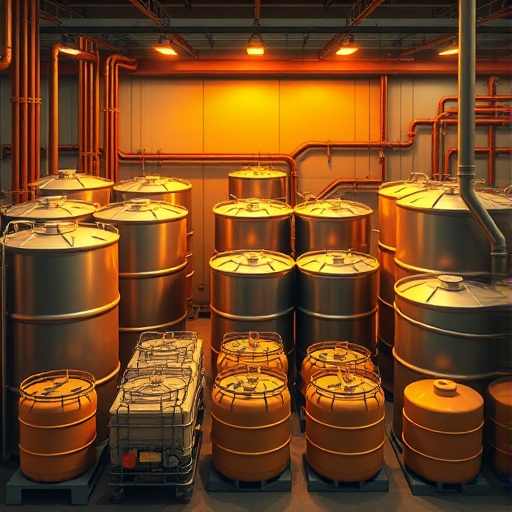
Monthly checks include examining exterior surfaces for dents, corrosion, or paint damage. Operators test valves and gauges for accurate readings. They confirm that grounding connections remain tight and functional. Annual professional inspections cover internal conditions when tanks permit entry. Lubrication of moving parts on access lids extends service life. Records of each inspection support warranty claims and regulatory compliance. Cleaning exterior labels keeps capacity and hazard information readable. Seasonal tasks address weather-related wear such as UV damage on plastic tanks. Proactive maintenance prevents sudden failures during peak demand periods.
Cleaning Procedures for Oil Tanks
Thorough cleaning begins with complete draining of remaining oil. Workers flush tanks with compatible solvents or heated oil to loosen residues. High-pressure water rinses remove loosened particles after solvent application. All cleaning fluids must be collected and disposed of according to environmental rules. Drying prevents moisture from promoting rust in steel tanks. Inspection follows cleaning to verify no pitting or cracks remain. Plastic containers often require gentler detergents to avoid surface damage. Teams log cleaning dates and methods for each tank. Clean tanks deliver uncontaminated lubricants to equipment consistently.
Signs of Wear and When to Replace
Visible rust on steel tanks signals the need for immediate evaluation. Bulging sides indicate internal pressure or material fatigue. Plastic containers develop cracks from repeated temperature cycles or impact. Leaking seams or valves require prompt repair or tank retirement. Reduced flow rates often trace back to internal sludge buildup. Odors or discoloration in dispensed oil point to contamination issues. Age alone does not dictate replacement when inspections show sound condition. Cost-benefit analysis compares repair expenses against new tank prices. Timely replacement avoids environmental incidents and production downtime.
Innovations in Oil Storage Solutions
Gravity Feed Systems for Efficient Storage
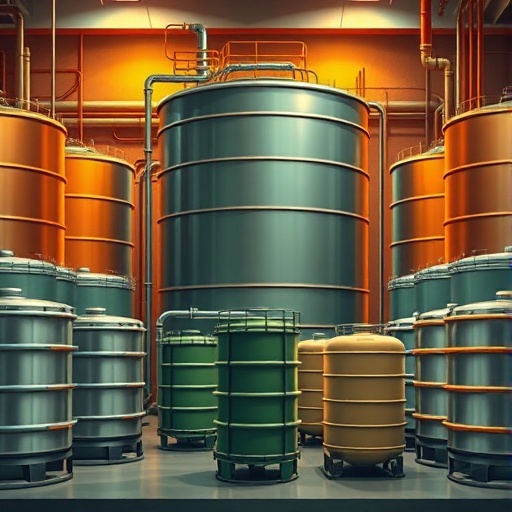
Gravity feed systems eliminate pumps by using elevation differences between tanks and dispensing points. These setups reduce energy costs and mechanical failures. Operators position elevated tanks on sturdy platforms designed for the total weight. Flow control valves regulate output and prevent uncontrolled releases. Gravity feed lines require regular slope verification to maintain consistent delivery. Many facilities combine gravity feed with filtration units for cleaner lubricant supply. Installation costs remain lower than equivalent pumped systems. Maintenance focuses on valve function and line integrity rather than motor service. Gravity feed proves reliable for steady, moderate-volume lubrication needs.
Eco-Friendly Options in Oil and Gas Storage
Modern oil and gas storage emphasizes reduced environmental impact. Double-wall tanks with leak detection sensors minimize spill risks. Bio-based lubricants pair with compatible plastic container materials that resist degradation. Rainwater collection systems around tank farms prevent contaminated runoff. Solar-powered monitoring equipment tracks levels without grid electricity. Recycled steel tanks lower the carbon footprint of new installations. Facilities adopt closed-loop cleaning processes that reuse solvents multiple times. These choices align operations with stricter sustainability targets. Eco-friendly storage supports both regulatory compliance and corporate responsibility goals.
Future Trends in Oil Storage Technology
Smart sensors now transmit real-time data on tank levels, temperature, and pressure to central dashboards. Predictive analytics forecast maintenance needs before failures occur. Modular tank designs allow rapid capacity increases without major construction. Advanced coatings extend steel tank life in corrosive environments. Integration with inventory software automates reorder points for lubricants. Research explores composite materials that combine strength with lighter weight. Remote monitoring reduces onsite visits while improving safety records. These advances reshape how facilities manage oil storage containers across industries. Continued development promises safer and more efficient solutions ahead.