Maximizing Strength and Durability with Torlon Plastic in Injection Molding
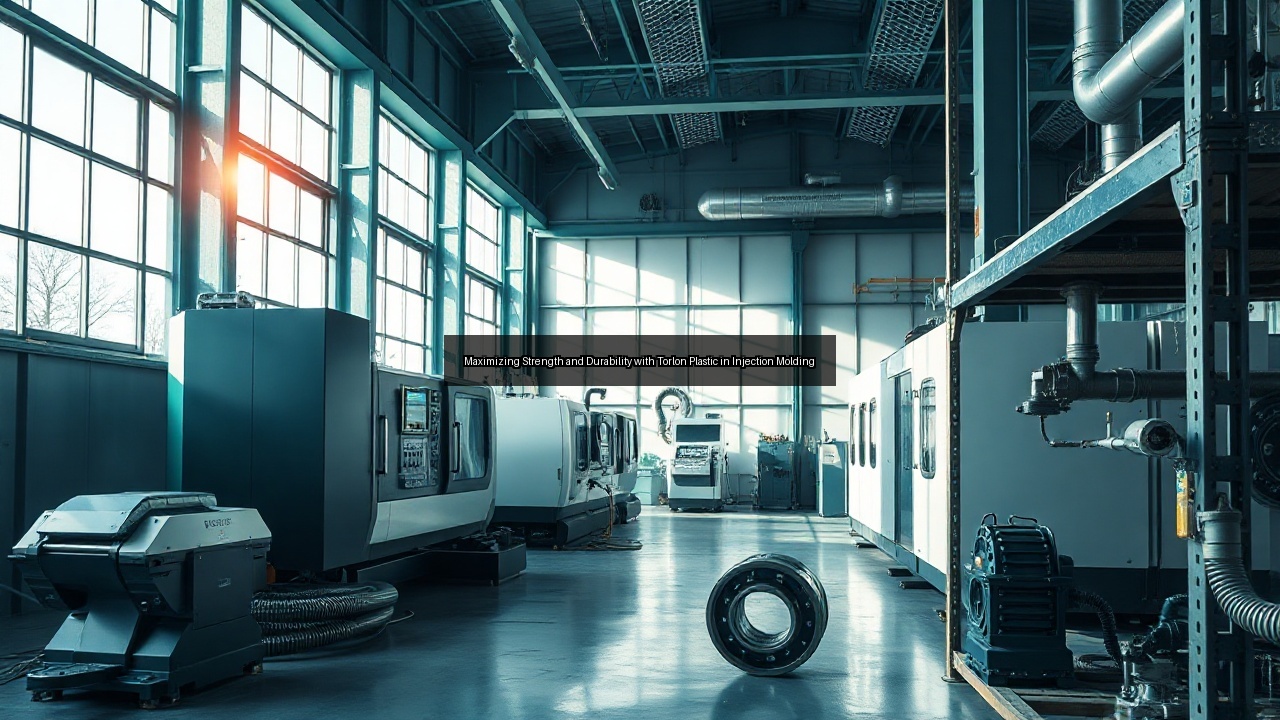
Understanding Torlon Plastic and Its Properties
Composition and Characteristics of Torlon Plastic
Torlon plastic, a high-performance thermoplastic, belongs to the polyamide-imide family. This engineering-grade material boasts exceptional mechanical strength, outstanding thermal stability, and inherent chemical resistance. Composed primarily of polyamide and imide segments, Torlon plastic exhibits unique properties that set it apart from other plastics. Its ability to withstand high temperatures—up to 260°C (500°F)—makes it ideal for applications requiring durability and reliability. The material's amorphous structure provides a balance of flexibility and rigidity, allowing it to endure stress without compromising its shape. These characteristics make Torlon plastic a go-to choice for demanding engineering applications.
Amorphous vs. Crystalline: How It Affects Performance
The distinction between amorphous and crystalline structures plays a crucial role in the performance of materials like Torlon plastic. Amorphous plastics, such as Torlon, lack a well-defined molecular structure, resulting in excellent impact resistance and toughness. This contrasts with crystalline plastics, which typically exhibit higher stiffness but lower impact strength. For applications where flexibility and strength are paramount, amorphous Torlon plastic offers superior performance. The unique structure of Torlon contributes to its low moisture absorption, further enhancing its dimensional stability. Engineers often prefer amorphous materials for applications where precise tolerances are necessary, making Torlon an exceptional choice in the manufacturing landscape.
Thermoplastic Nature: Benefits for Injection Molding
The thermoplastic nature of Torlon plastic significantly benefits the injection molding process. Unlike thermosets, which cure into a permanent shape, thermoplastics can be re-melted and reformed, providing versatility in manufacturing. This property allows for efficient production runs and the ability to create intricate designs with minimal waste. In injection molding, Torlon’s thermal properties facilitate the processing of complex geometries, ensuring consistent quality and performance in the final product. Additionally, the material's excellent flow characteristics during molding reduce the likelihood of defects, such as voids or inconsistencies. Manufacturers can achieve tight tolerances and high precision, making Torlon plastic a preferred choice in high-stakes applications.
Applications of Torlon Plastic in Engineering and Manufacturing
High Strength Applications: From Bearings to Insulators
Torlon plastic excels in high strength applications across various industries, including aerospace, automotive, and electrical engineering. Its ability to withstand mechanical stress without deformation makes it an ideal material for manufacturing bearings and insulators. Bearings made from Torlon offer superior wear resistance and reduced friction, enhancing the efficiency and lifespan of machinery. Similarly, its use in electrical insulators ensures reliable performance under extreme conditions, protecting sensitive components from electrical breakdown. The combination of high strength and thermal stability allows Torlon plastic to operate effectively in environments that experience significant temperature fluctuations, solidifying its position as a top choice for critical engineering applications.
Role in Semiconductor Manufacturing
The semiconductor industry relies on the unique properties of Torlon plastic for various applications, particularly in the production of components that require high precision and stability. Its low moisture absorption and thermal stability make Torlon an excellent choice for creating fixtures and components used in semiconductor fabrication. The material's resistance to chemical exposure also ensures industrial grade torlon plastics longevity, reducing the risk of contamination in sensitive manufacturing environments. As semiconductor technology advances, the demand for materials like Torlon that can withstand rigorous conditions continues to grow. Engineers favor Torlon plastic for its ability to maintain dimensional integrity and performance, even in high-precision environments.
Advantages Over Other Plastics: Acetal and Polyetherimide
When comparing Torlon plastic to other engineering plastics such as acetal and polyetherimide, several advantages emerge. While acetal offers good mechanical properties, it lacks the thermal stability and chemical resistance found in Torlon. Polyetherimide, although robust, does not match the high strength-to-weight ratio of Torlon plastic. Torlon's performance in extreme temperatures and its ability to resist creep under load further cement its superiority over these alternatives. This makes Torlon an ideal candidate for applications requiring not just strength but also durability in challenging environments. Engineers frequently choose Torlon when the highest level of performance is necessary, high strength torlon plastics ensuring reliability in their designs.
Injection Molding with Torlon Plastic: Best Practices
Temperature Considerations for Optimal Molding
Achieving optimal results in injection molding with Torlon plastic hinges on managing temperature effectively. The ideal processing temperatures for Torlon typically range from 340°F to 400°F (171°C to 204°C). Precise temperature control ensures the material flows smoothly during the molding process, allowing for complex shapes and high-quality finishes. Maintaining these temperatures prevents degradation of the material while also ensuring that the final product retains its strength and durability. Using advanced temperature monitoring systems can significantly improve the consistency of engineering grade torlon plastics the molding process, leading to higher production efficiency and lower defect rates.
CNC Machining and Post-Processing Techniques
Post-molding processes such as CNC machining enhance the performance of Torlon plastic components. After injection molding, CNC machining allows for the precise finishing of parts, achieving tight tolerances that meet exact specifications. This post-processing step is critical for applications requiring high dimensional accuracy. Techniques such as milling, turning, and drilling can be effectively employed on Torlon components, thanks to its machinability. Proper tooling and machining parameters are essential to avoid damaging the material. Utilizing high-quality cutting tools and maintaining optimal feed rates ensures that the integrity of the Torlon plastic remains intact during machining operations.
Addressing Creep and Stiffness in Design
Designing with Torlon plastic necessitates attention to creep and stiffness, two critical factors that can impact long-term performance. Creep, the tendency of a material to deform under sustained load, poses challenges in applications where dimensional stability is crucial. Engineers can mitigate creep by optimizing part geometry and reducing stress concentrations. Stiffness also plays a vital role in the design process; it influences how Torlon components will perform under load. Utilizing finite element analysis (FEA) helps engineers evaluate the impact of design modifications, ensuring that the final product meets performance standards. By addressing these factors early in the design phase, manufacturers can enhance the reliability and durability of Torlon plastic components.
Future Trends and Innovations in Torlon Plastics
The Impact of Carbon Fiber Reinforcement
Carbon fiber reinforcement presents exciting opportunities for enhancing the properties of Torlon plastics. By incorporating carbon fibers, manufacturers can significantly increase the material's stiffness and strength without adding substantial weight. This innovation opens the door for advanced applications in aerospace and automotive industries, where reducing weight while maintaining structural integrity is paramount. The combination of Torlon's inherent properties with carbon fiber leads to composites that can withstand extreme conditions while offering superior performance. As technology progresses, the integration of carbon fibers into Torlon plastic applications will likely become more prevalent, driving innovation in various fields.
Emerging Applications in Industrial and Semiconductor Fields
Emerging applications for Torlon plastic in industrial and semiconductor fields continue to expand. As industries evolve, the demand for materials that offer both high performance and reliability increases. In the semiconductor sector, the need for components that can handle extreme environments and precision requirements drives the adoption of Torlon. Similarly, in industrial applications, the material's durability and chemical resistance make it suitable for use in harsh conditions, such as those found in oil and gas exploration. As manufacturers seek to enhance operational efficiency, the versatility of Torlon plastic positions it as a leading choice for future innovations.
Sustainability and Environmental Considerations in Plastics Engineering
Sustainability in plastics engineering becomes increasingly important as industries aim to reduce their environmental footprint. The development of recyclable and bio-based alternatives to traditional plastics is gaining traction, and Torlon plastic is no exception. Research into sustainable methods high strength torlon plastic of production and recycling processes for Torlon may lead to significant advancements. Additionally, engineers are exploring ways to minimize waste during the manufacturing process, contributing to a more sustainable approach to plastic production. As awareness of environmental issues continues to rise, the integration of sustainability into the development and application of Torlon plastics will play a crucial role in shaping the future of the industry.
See Also
- The Role of Torlon Plastic in Modern Bearing Design and Functionality
- Exploring the Unmatched Strength of Torlon Plastic in High-Performance Applications
- Torlon Plastic vs Traditional Plastics Which One Reigns Supreme
- How to Leverage Torlon Plastic in Advanced Pipe Manufacturing Techniques
- How to Choose the Right Torlon Plastic for Your Next Project