Why Industrial Grease is Essential for Heavy Machinery Maintenance
The Importance of Industrial Grease in Heavy Machinery Maintenance
Understanding Grease and Its Role in Lubrication
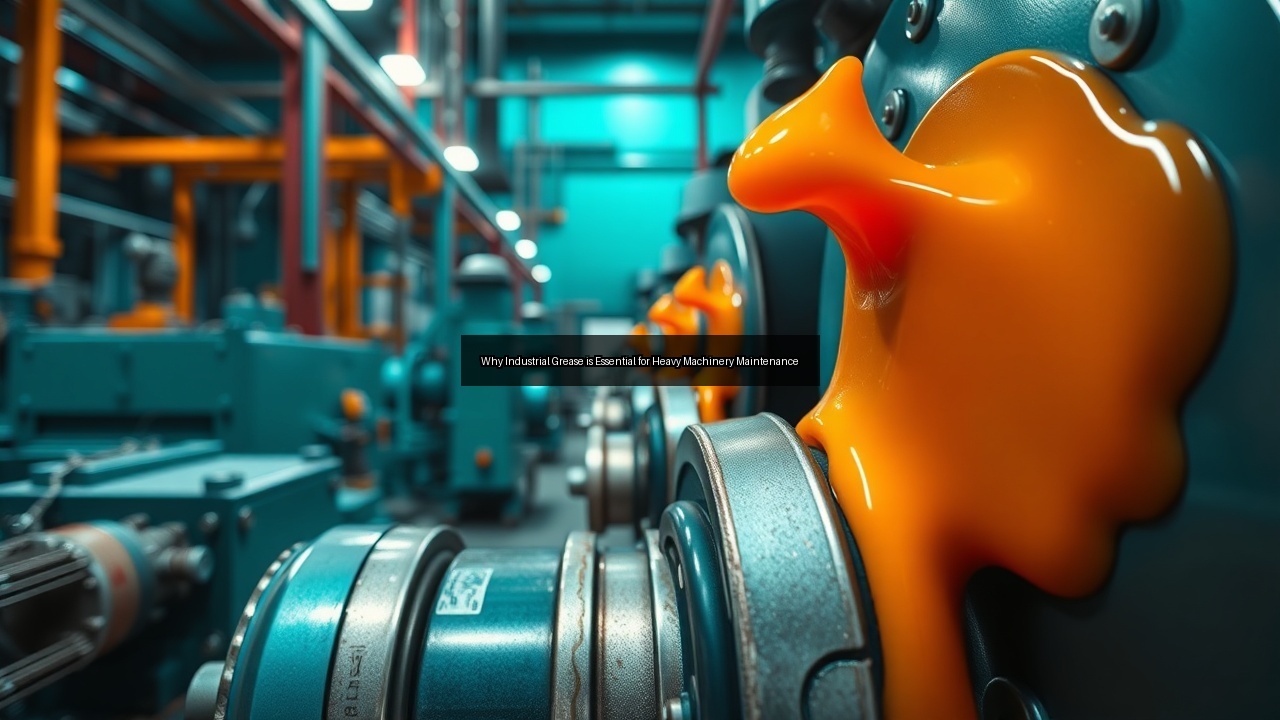
Industrial grease plays a critical role in the maintenance of heavy machinery. Unlike traditional oils, grease combines a thickening agent with base oil, serving as a lubricant that adheres to surfaces rather than simply draining away. This property makes it an ideal choice for machinery operating under high loads and extreme conditions. Grease lubricants maintain their viscosity even in fluctuating temperatures, providing a consistent barrier against friction.
The primary function of lubrication in machinery involves reducing friction between moving parts. As components move, they generate heat due to friction, which can lead to wear and tear. Greasing these parts minimizes direct metal-to-metal contact, thus significantly extending the lifespan of machinery. In addition to reducing friction, industrial lubrication grease also serves to seal out contaminants such as dust, dirt, and moisture, which can compromise the integrity of machinery. This protective barrier is essential for maintaining the efficiency and reliability of industrial equipment.
Common Types of Industrial Greases
Manufacturers produce various types of industrial greases tailored to specific applications and conditions. Lithium-based greases are among the most commonly used due to their versatility, excellent water resistance, and high-temperature stability. These greases work well in many mechanical applications, making them a popular choice across industries.
Another widely used type is calcium-based grease, which excels in water resistance but has a lower temperature tolerance compared to lithium greases. This makes it ideal for marine applications or equipment exposed to moisture. For extreme conditions, such as heavy loads or high-temperature environments, synthetic greases offer superior performance. They can withstand higher temperatures and provide excellent lubrication properties while resisting oxidation and degradation. Understanding these different types enables operators to choose the right grease lubricants for their specific machinery needs.
Benefits of Using Industrial Lubrication Grease
Using industrial lubrication grease offers numerous benefits that enhance machinery performance and reliability. One significant advantage is its ability to reduce friction and wear, which directly correlates to lower maintenance costs over time. By maintaining a consistent lubrication regime with quality greases, operators can prevent catastrophic failures that lead to expensive repairs and downtime.
Additionally, grease forms a protective layer that shields machine components from contaminants. This barrier prevents soil, dust, and moisture from entering critical areas, which is particularly important in outdoor or harsh environments. The ability of greases to adhere to surfaces also means that they stay in place longer, reducing the frequency of reapplication and saving valuable time in maintenance schedules.
Moreover, the right grease can enhance the overall performance of machinery. Greased components operate more smoothly and efficiently, leading to energy savings and improved productivity. In high-performance applications, specialized greases can even help in achieving better operational speeds and reducing noise levels. Overall, the benefits of using industrial greases extend beyond mere lubrication; they contribute to the longevity and reliability of heavy machinery.
Key Functions of Industrial Lubricants in Machinery
Reducing Friction and Wear
The primary function of industrial lubricants is to reduce friction and wear between moving parts. When machinery operates, the interaction of metal surfaces can create significant friction, leading to energy loss and wear over time. Grease lubricants mitigate these issues by creating a film that separates the contact surfaces, allowing them to move more freely. This lubrication not only prolongs the life of the machinery but also improves its overall efficiency.
In heavy machinery, where components experience high loads and stress, effective lubrication is vital. A quality industrial lubrication grease maintains its consistency under pressure, ensuring that it continues to provide effective protection even in the most demanding conditions. The reduction of friction leads to less heat generation, which in turn minimizes thermal degradation of machine components. This cycle of reduced wear contributes significantly to operational reliability and extends maintenance intervals.
Protecting Against Contaminants and Soil
Industrial greases also play a critical role in protecting machinery from contaminants. Dust, dirt, and moisture can infiltrate equipment, leading to corrosion and other forms of damage. Grease acts as a sealant, preventing these harmful substances from reaching vital components. By creating a barrier, grease lubricants help maintain a clean operating environment, which is essential for optimal performance.
The ability of grease to repel contaminants is particularly important in outdoor applications where machinery is exposed to varying environmental conditions. For instance, construction sites or agricultural settings often deal with soil and debris that can compromise machinery. Using the right type of industrial grease can significantly reduce the risk of contamination-related failures. Regular maintenance that includes greasing helps ensure that machinery operates smoothly, without the interference of outside elements.
Enhancing Performance and Longevity
Greasing not only protects machinery but also enhances overall performance. Well-lubricated components operate more efficiently, resulting in lower energy consumption. This efficiency can translate into significant cost savings, particularly for businesses that rely on heavy machinery for their operations. The improved performance also means that machinery can operate at higher loads or speeds without risking damage, thereby increasing productivity.
Moreover, regular greasing extends the lifespan of machinery. By preventing wear and tear, industrial lubrication grease allows machines to operate effectively for longer periods. This longevity reduces the need for frequent replacements or repairs, leading to a more sustainable approach to machinery management. Operators who prioritize greasing as part of their maintenance routine often experience fewer unplanned downtimes, industrial lubricants which can disrupt workflow and lead to financial losses.
Best Practices for Applying and Maintaining Grease
Greasing Techniques for Heavy Machinery
Implementing effective greasing techniques is essential for maximizing the benefits of industrial lubrication grease. Operators should ensure that grease is applied at appropriate intervals and in accordance with manufacturer recommendations. Over-greasing can lead to a buildup that may cause seals to fail, while under-greasing can leave components unprotected.
Using a mechanical lubricator can help automate the greasing process, ensuring consistent application. Regularly scheduled maintenance checks should include assessments of grease levels and the condition of lubrication points. Additionally, utilizing a grease gun allows for precise application, helping to target specific components that require attention. Training staff on proper greasing techniques can further enhance maintenance efforts and improve machinery reliability.
Choosing the Right Grease Lubricants
Selecting the right grease lubricants for specific applications is crucial for achieving optimal results. Factors to consider include the operating environment, temperature range, and the type of machinery in use. For instance, machinery that operates in high-pressure environments may require specialized greases formulated to withstand such conditions.
Consulting with manufacturers or lubrication specialists can provide valuable insights into choosing the most suitable grease. Conducting thorough research on different types of industrial greases helps operators make informed decisions. Additionally, paying attention to the specifications outlined in machinery manuals ensures that the chosen lubricants align with the equipment's needs.
Documenting Maintenance Procedures
Documenting maintenance procedures, including greasing schedules, is essential for effective management of heavy machinery. Keeping accurate records allows operators to track lubrication patterns, identify trends, and schedule timely maintenance. A well-documented maintenance log aids in compliance with safety regulations and provides a reference point for future maintenance activities.
See Also
- Choosing the Right Grease for Your Manufacturing Needs Explained
- Key Factors That Affect the Performance of Industrial Lubricants
- Grease vs Oil which Lubricant is Best for Your Industrial Needs
- Understanding Grease Viscosity and Its Importance in Industrial Lubrication